It often begins so quietly you almost miss it.
Your dog hesitates before jumping into the car. They take a little longer to stand up. Maybe they don’t greet you at the door like they used to.
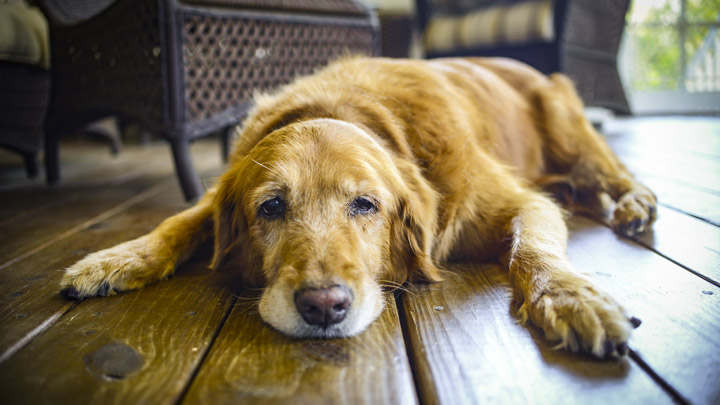
At first, it’s easy to think, “They’re just getting older.”
But in many cases, what you’re seeing is something more—arthritis in dogs.
The truth is, arthritis is one of the most common conditions affecting dogs as they age. The good news? With the right care, your dog can still live a comfortable, happy, and active life.
What Is Arthritis in Dogs?
Arthritis, also known as osteoarthritis, is a degenerative joint condition where the cartilage between bones gradually wears down.
Normally, cartilage acts like a cushion—allowing smooth, pain-free movement. But when it breaks down:
- Bones begin to rub against each other
- Inflammation develops
- Movement becomes stiff and painful
Over time, this can significantly affect your dog’s mobility and quality of life.
Common Signs of Arthritis in Dogs
Arthritis doesn’t always show up as obvious limping. In fact, many signs are subtle.
Watch for these symptoms:
- Difficulty standing up or lying down
- Stiffness, especially after rest
- Limping or favoring one leg
- Reluctance to climb stairs or jump
- Slower walks or reduced activity
- Whining or signs of discomfort
- Behavioral changes (irritability, withdrawal)
👉 If your dog is showing any of these signs, it’s worth paying closer attention.
What Causes Arthritis in Dogs?
Arthritis can develop for several reasons:
1. Aging
The most common cause. Over time, joints naturally wear down.
2. Joint Injuries
Past injuries can lead to long-term joint damage.
3. Obesity
Extra weight puts additional stress on joints.
4. Genetics
Certain breeds are more prone to joint issues (especially large breeds).
5. Hip Dyspepsia or Joint Disorders
Abnormal joint development can speed up cartilage breakdown.
Which Dogs Are Most at Risk?
While any dog can develop arthritis, the risk is higher in:
- Senior dogs (usually 7+ years)
- Large breeds (Labrador, German Shepherd, etc.)
- Overweight dogs
- Dogs with previous injuries
Treatment Options: What Actually Helps
There’s no “cure” for arthritis—but there are many ways to manage it effectively.
1. Joint Supplements
One of the most common and effective ways to support joint health.
Look for ingredients like:
- Glucosamine
- Chondroitin
- MSM
- Omega-3 fatty acids
- Turmeric
👉 These help reduce inflammation and support cartilage health.
2. Medications (Vet-Prescribed)
In more severe cases, your vet may recommend:
- Anti-inflammatory drugs (NSAIDs)
- Pain relief medications
⚠️ Always consult a veterinarian before giving any medication.
3. Weight Management
Even a small amount of weight loss can significantly reduce joint strain.
👉 Less weight = less pressure = less pain
4. Orthopedic Support
Providing a supportive sleeping surface can make a big difference.
- Memory foam beds reduce pressure on joints
- Warm, soft resting areas improve comfort
5. Gentle Exercise
Movement is important—but it needs to be controlled.
Best options:
- Short daily walks
- Swimming (low-impact)
- Light stretching
👉 Avoid intense activity or jumping.
How to Help a Dog with Arthritis at Home
Simple changes can make a huge difference:
- Use ramps instead of stairs
- Place non-slip mats on floors
- Raise food and water bowls
- Keep your dog warm (cold worsens stiffness)
- Stick to a consistent routine
These small adjustments help your dog move more easily and safely.
Can Arthritis in Dogs Be Reversed?
Unfortunately, arthritis cannot be reversed—but it can be managed very effectively.
With early care and the right support:
- Pain can be reduced
- Mobility can improve
- Progression can be slowed
Many dogs with arthritis continue to live happy, active lives for years.
When Should You See a Vet?
You should consult a vet if:
- Symptoms worsen quickly
- Your dog refuses to move
- Pain seems severe
- There are sudden behavioral changes
Early diagnosis leads to better long-term outcomes.
Final Thoughts
Arthritis may be common—but it doesn’t have to define your dog’s life.
Your dog may move a little slower now, take more breaks, and need extra care—but they’re still the same loyal companion who’s been there for you all along.
And now, it’s your turn to be there for them.
With the right support, patience, and love, you can help your dog stay comfortable, active, and happy—no matter their age.