It doesn’t happen all at once.
One day, your dog is racing you to the door, tail wagging like crazy… and the next, they’re taking their time getting up, moving a little slower, sleeping a little longer.
If you’ve started noticing these small changes, you’re not imagining things. Your dog may be entering their senior years—a natural stage of life that comes with new needs, challenges, and yes… even deeper bonding.
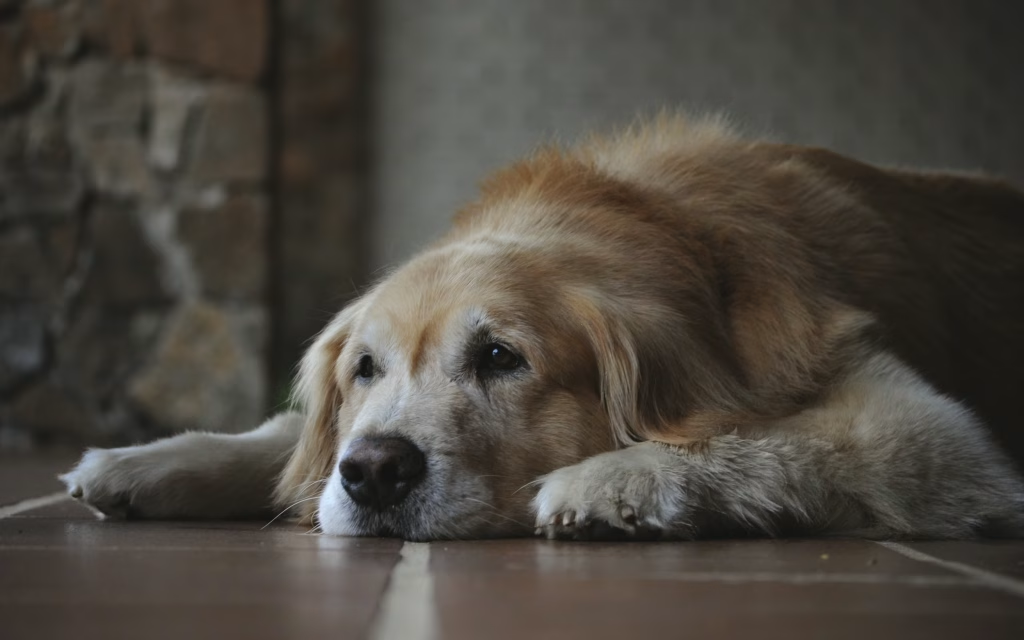
The goal isn’t to “fix” aging. It’s to support your dog so they can stay happy, comfortable, and loved every step of the way.
Let’s walk through the signs together.
1. Slowing Down on Walks
Your dog used to pull you down the street. Now, they lag behind or tire more quickly.
What it means:
Aging muscles and joints are losing strength and flexibility.
How to help:
- Switch to shorter, more frequent walks
- Avoid rough terrain
- Add gentle daily movement to keep joints active
2. Sleeping More Than Usual
Senior dogs can sleep 16–20 hours a day—and that’s often completely normal.
What it means:
Lower energy levels and slower metabolism.
How to help:
- Provide a soft, orthopedic bed
- Keep their sleeping area warm and quiet
- Maintain a consistent daily routine
3. Stiffness or Difficulty Moving
If your dog hesitates before climbing stairs or struggles to stand up, it’s a big sign.
What it means:
Joint stiffness or early arthritis.
How to help:
- Add joint supplements (glucosamine, omega-3)
- Use ramps instead of stairs
- Keep them at a healthy weight
4. Changes in Eyes or Vision
Cloudy eyes or bumping into objects may indicate declining vision.
What it means:
Common age-related conditions like cataracts.
How to help:
- Keep furniture layout consistent
- Use soft lighting at night
- Avoid sudden environmental changes
5. Hearing Loss
You may notice your dog doesn’t respond when called—or startles easily.
What it means:
Gradual hearing decline is common in senior dogs.
How to help:
- Use hand signals or visual cues
- Approach gently to avoid startling
- Keep them in safe, enclosed areas
6. Changes in Appetite or Weight
Some dogs eat less, while others may gain weight due to lower activity.
What it means:
Metabolism and digestion are changing.
How to help:
- Switch to high-quality senior dog food
- Monitor portion sizes
- Consult your vet for sudden weight changes
7. Less Interest in Play
That favorite toy might sit untouched more often.
What it means:
Reduced energy or possible discomfort.
How to help:
- Introduce low-impact play (gentle fetch, short sessions)
- Focus on mental stimulation (puzzle toys)
- Respect their limits
8. Behavioral Changes
You might notice confusion, anxiety, or changes in routine.
What it means:
Possible cognitive decline (similar to dementia in humans).
How to help:
- Stick to a consistent schedule
- Offer reassurance and calm environments
- Use interactive toys to keep their mind engaged
9. Accidents in the House
A previously trained dog may suddenly have accidents indoors.
What it means:
Weakened bladder control or confusion.
How to help:
- Increase bathroom breaks
- Be patient—never punish
- Use washable pads if needed
10. Graying Fur (Especially Around the Face)
That adorable gray muzzle is often the most visible sign.
What it means:
Your dog is officially entering their golden years.
How to help:
- Groom regularly
- Check skin for lumps or changes
- Enjoy every moment—they’ve earned it ❤️
How to Make Your Senior Dog’s Life Better
Aging doesn’t mean your dog can’t enjoy life—it just means they need a little extra support.
Simple Ways to Help:
- Add joint supplements for mobility
- Invest in a comfortable bed
- Keep them active, but not overworked
- Feed a balanced senior diet
- Schedule regular vet checkups
When Is a Dog Considered “Senior”?
It depends on size:
- Small dogs: around 10–12 years
- Medium dogs: around 8–10 years
- Large dogs: around 6–8 years
The bigger the dog, the earlier they enter their senior stage.
Final Thoughts
Watching your dog grow older can be emotional. They’ve been your companion, your comfort, your joy.
Now, they may need more rest, more patience, and more care—but they also offer something incredibly special in return: a deeper, calmer, more meaningful connection.
The small changes you notice today are just reminders of all the years you’ve shared—and all the love still ahead.
So slow down with them. Sit a little longer. Walk a little gentler.
Because these years?
They matter the most.